How Smart Design Improves Usability and Scales with the Business?
When the power goes out, people look for light.
While working on an Exide home inverter, Ticket Design kept coming back to that moment. They built an emergency lamp right into the inverter itself. You could just pull it off and use it.
The team is designed around what people actually do when things go wrong. That’s smart design—it starts with real behaviour.
Usability lives in the bones of a product
Usability has to be baked into how something is laid out, how information flows, how the interface actually works.
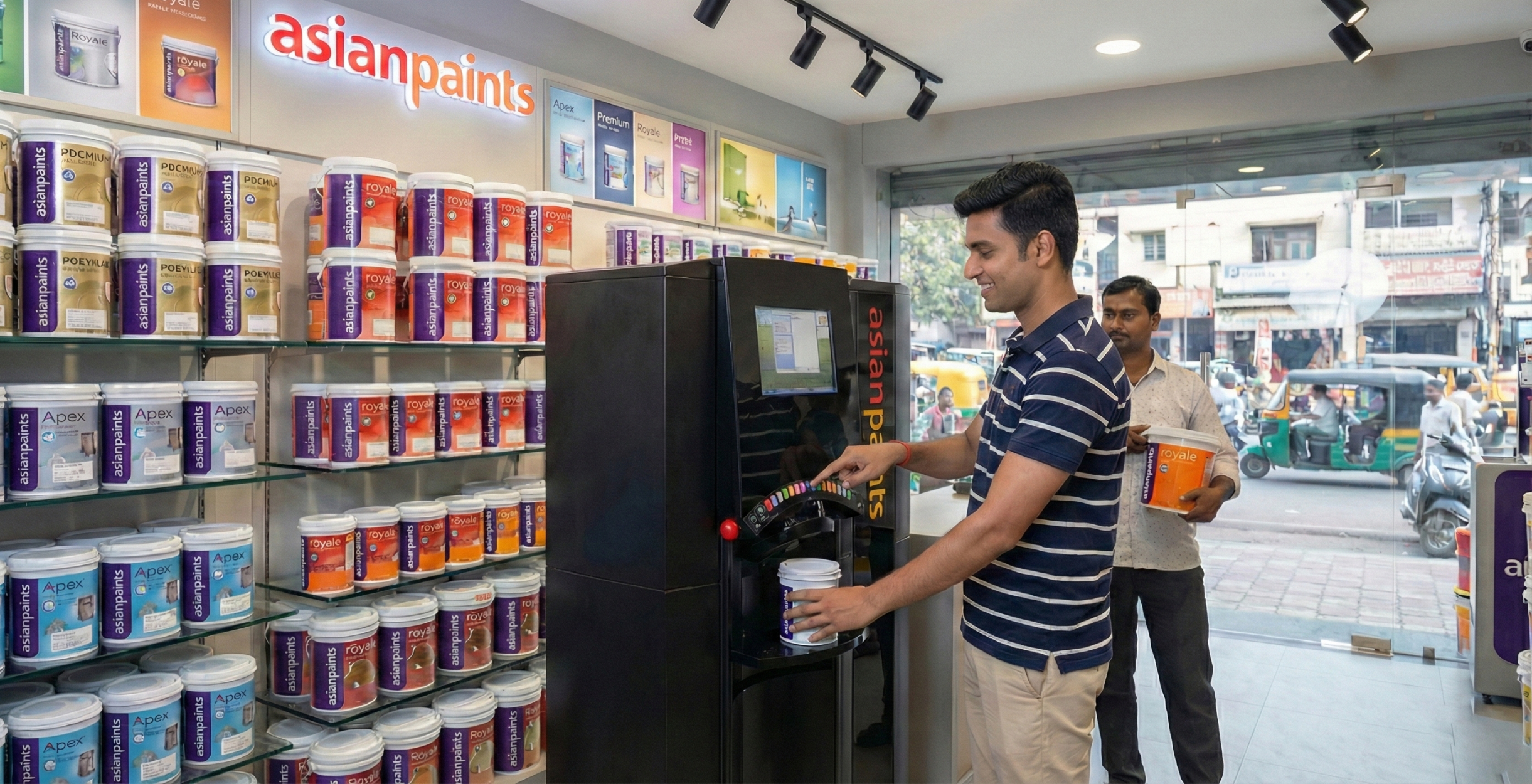
Ticket Design created a paint dispensing system for retail stores. The people using it were shop staff who might not be fully literate, and customers just walking in off the street.
The team built the interface around physical colour swatches. Users just pressed the colour they could see and recognise.
People stopped second-guessing themselves. Mistakes dropped. And because there were fewer steps, the whole interface felt calmer and easier to read. Usability improved because clarity improved.
Smart design works when you scale
Ticket Design faced an interesting challenge with a fragrance dispensing system that used oxygen as the delivery mechanism. Different clients across different regions all wanted their own look and feel.
They split it into two layers. The core engine—the part that actually does the work—stayed consistent. Reliable. Proven. The outer shell could flex. Different finishes, different branding, different visual languages, all without touching what made the thing run.
This made servicing easier, cut down redesign time, and let the product adapt while keeping what made it work. Scalability came from thinking like a system.
Systems thinking keeps things working over time
Products age. The ones that last tend to be the ones where someone thought about service access early. Where panels line up properly because the internal layout was sorted from the start.
When the structure is sound, the interface stays consistent. Usability holds up. The product keeps working the way it’s supposed to.
You see this pattern in industrial machines and everyday tools alike. The ones that feel effortless usually have clean systems underneath.
Smart design compounds
Good design is a bunch of small, correct decisions that stack up over time.
Each one cuts a little friction. Makes something a bit more predictable. Removes a step or clarifies a choice. The business benefits follow, less training needed, faster adoption, shorter redesign cycles.
When a product just works, quietly and consistently, people start to trust it. That trust comes from structure. From care in the details you don’t always see.
When the lights go out and that inverter lamp is right where you need it, you just use it.
That’s usually the whole point.


