The customer's moment of truth is not the user's
Most products are judged twice. The first judgment, the customer’s moment of truth, happens before the product is ever used. A customer encounters it and decides in a few moments whether it deserves attention. Marketing campaigns, sales strategies and product launches are all designed to shape this moment.
The second moment of truth happens later, when the product enters everyday life. It occurs when a nurse reaches for a control during a busy shift, when a maintenance engineer removes a panel after months of operation, or when someone tries to clean, repair, install or simply live with the product. This is where expectations meet reality, and reality is difficult to market around.
At Ticket Design, we believe this second moment is where product design proves its value. Not through appearance alone, but through the countless interactions that shape how a product is experienced over time.
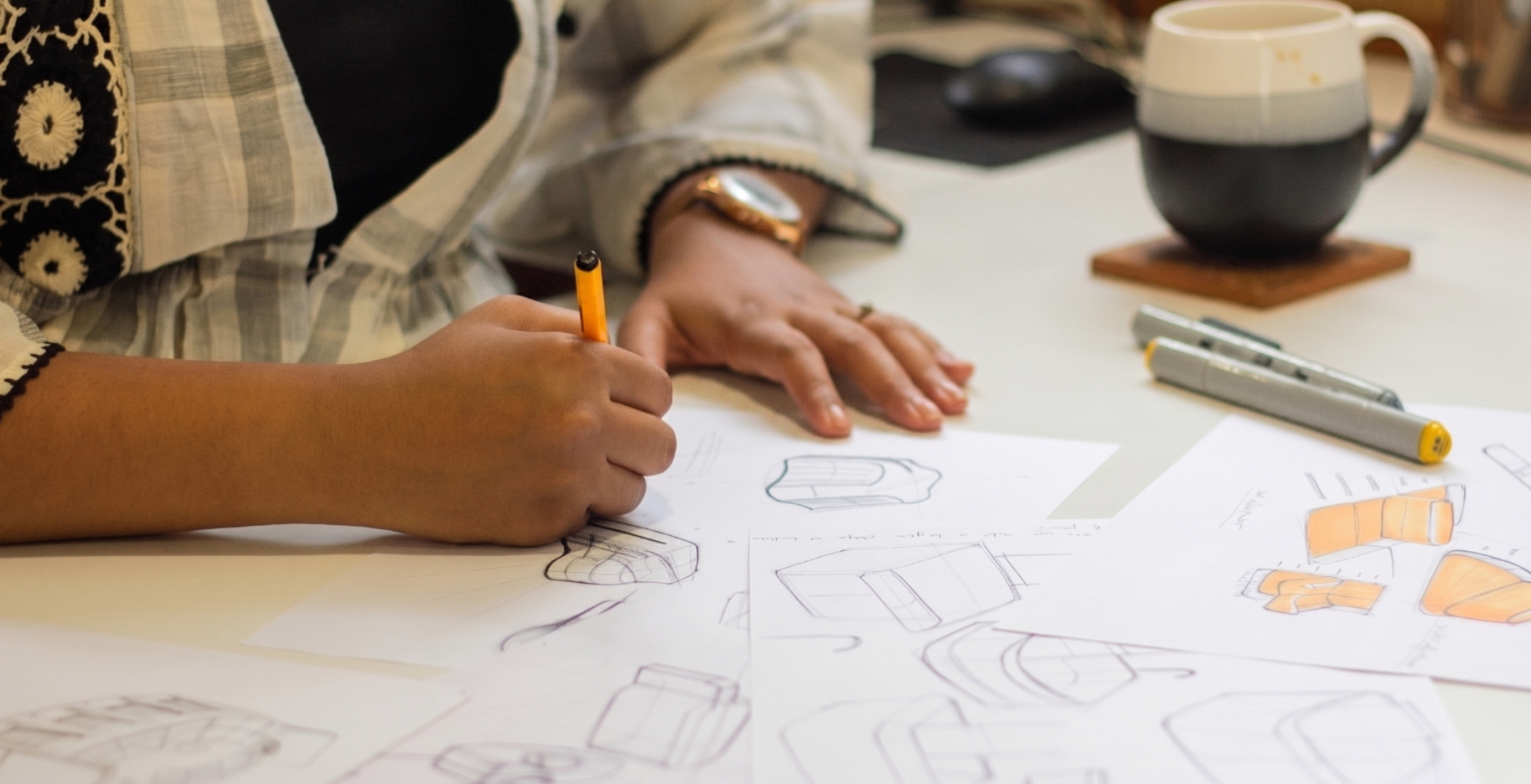
Who judges the second moment of truth
A customer evaluates a promise. They want to know whether the product solves the right problem, whether it feels credible, whether it justifies the investment and how it compares with the alternatives.
A user evaluates the outcome. Their questions are different. Why is this difficult to clean? Why is this control hard to reach? Why does maintenance take so long? Why does this feel more complicated than it should?
The first conversation drives the purchase. The second determines whether the product earns trust. Products that succeed over the long term understand both.
What the user is actually judging
Users rarely analyse a product the way a product team does. They are not thinking about engineering architecture, tooling strategy or material selection. They are evaluating how the product fits into their day.
Does it make the task easier? Does it remove friction or create more of it? Does it behave the way they expected?
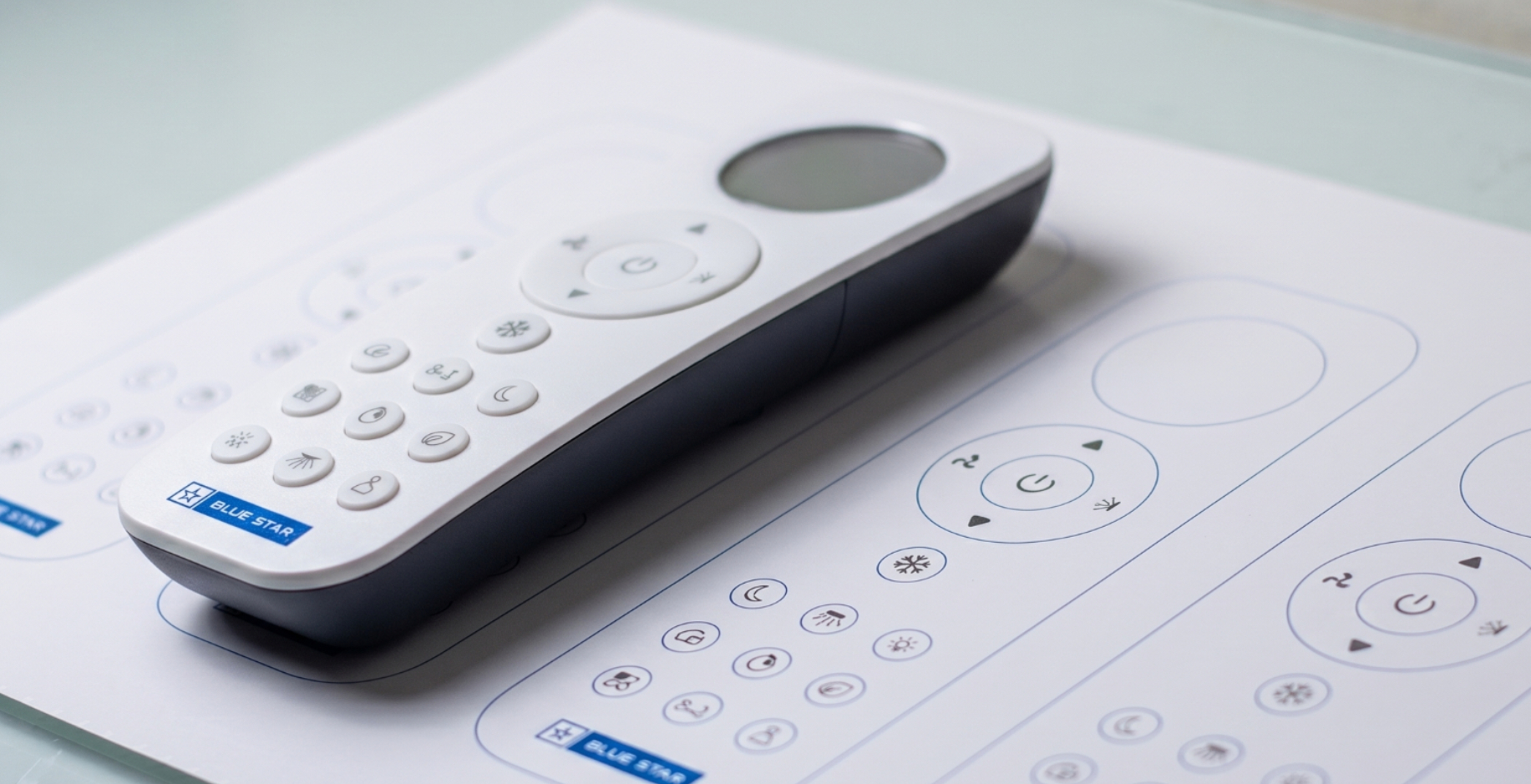
These assessments emerge through repeated interaction and through details that are easy to underestimate. The force required to open a latch. The visibility of an indicator. The shape of a handle. The sound a mechanism makes when it engages. The ease of replacing a worn component. Individually small, collectively decisive. Users rarely remember specifications. They remember friction, and they remember products that removed it.
Two kinds of products
Not every product creates value in the same way, and the design response changes depending on which problem you are actually solving.
Some products perform best when users barely notice them. Their purpose is not to attract attention but to support a task. In a hospital, a factory, a laboratory or a commercial kitchen, users are focused on outcomes. The product should help them achieve those outcomes with as little friction as possible. It should reduce errors, lower training requirements, simplify maintenance and keep cognitive load to a minimum. The highest compliment these products receive is usually a simple one: it just works. That sentence sounds effortless. Creating it rarely is. Products that feel intuitive are usually the result of extensive observation, workflow analysis and engineering collaboration that never becomes visible to the user. The product disappears. The value it delivers does not.
Other products face a different challenge. Many categories have become crowded with options that perform similarly. Features get copied. Technology levels out. Price advantages erode. At that point, preference becomes the only competitive advantage left.
The Crompton Blossom ceiling fan sat in exactly this position. A ceiling fan is close to a commodity. Most products in the category promise similar air delivery and compete on specification and price. The opportunity was not to move air more effectively in a way no one could see. It was to create a product that people would genuinely prefer to live beneath. That meant thinking about how the fan integrated into a room, how easily it could be cleaned, how it worked with the light, how quietly it ran and how it contributed to the overall feeling of a space. The decision to buy often began before the fan was switched on. The decision to recommend it was shaped by every day that followed.
Delight is not decoration
Delight is one of the most overused words in product development, and it is usually misunderstood as a visual objective. A premium finish, a dramatic form, an unexpected feature added for attention.
Real delight is quieter. It emerges when small frustrations disappear. A maintenance panel that removes cleanly. A component that can only be assembled the correct way. An interface that requires no manual. A mechanism that communicates clearly through touch alone. These moments rarely appear in a product launch presentation, yet they have more influence on how users feel about a product over time than most of the things that do. The best design solutions often seem obvious once they exist. That is usually a sign they were solving the right problem.
Delight is not about adding more. It is about removing unnecessary effort.
The products that win the second verdict
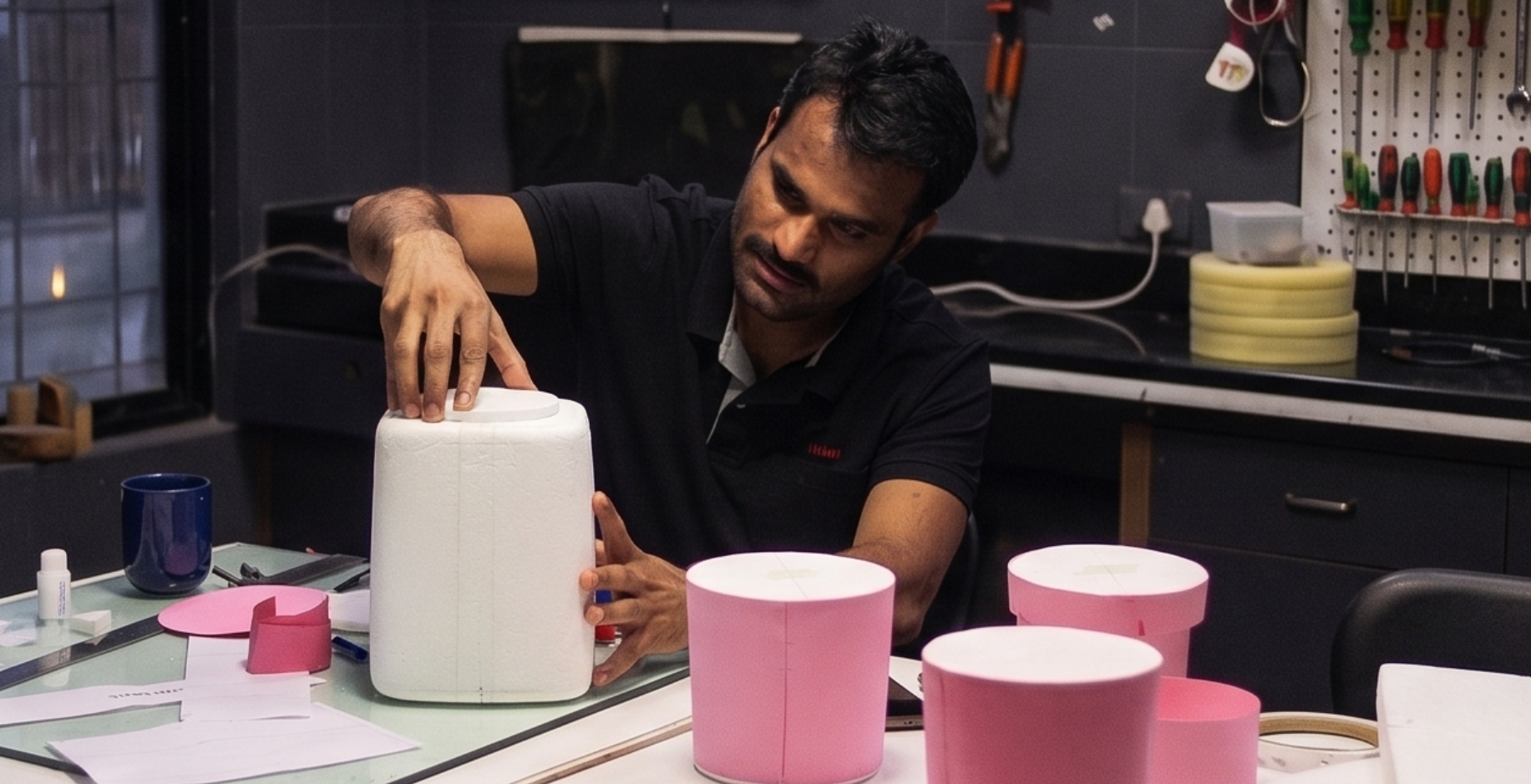
The work Ticket Design carried out for Etherena shows what the second moment of truth rewards. The project went on to receive a Red Dot Award and secure patent protection. Those outcomes were not the result of styling alone. They came from solving a genuine user challenge more effectively than existing alternatives.
That is what the second verdict pays out for. Not novelty, not visual appeal alone, but products that create meaningful improvements in how people interact with them. Awards and recognition may follow. They are usually the result of creating lasting value, not the objective itself.
Two verdicts, one product
A good product survives two judgments. The first moment of truth determines whether it gets a chance. The second determines whether it deserved one.
Competitors can copy features, technology and appearance. What is far more difficult to copy is a product that understands its users deeply, respects the realities of manufacture and use, and solves problems before people have named them. That is where thoughtful industrial product design creates lasting advantage. Not in the moments people see, but in the moments they live with.
Contact to discuss how Ticket Design can partner with your team.


